Read the latest articles on legal trends, case law analysis, and research insights. Contribute your own work and be part of the Legal Whizz community!
Intellectual Property Rights in E-Commerce: Role, Types & WIPO Standards Abstract – “Intellectual property rights refer to the property rights which are granted to an author or creator of a new invention or intangible asset. The concept of intellectual property was developed in the 18th century,…
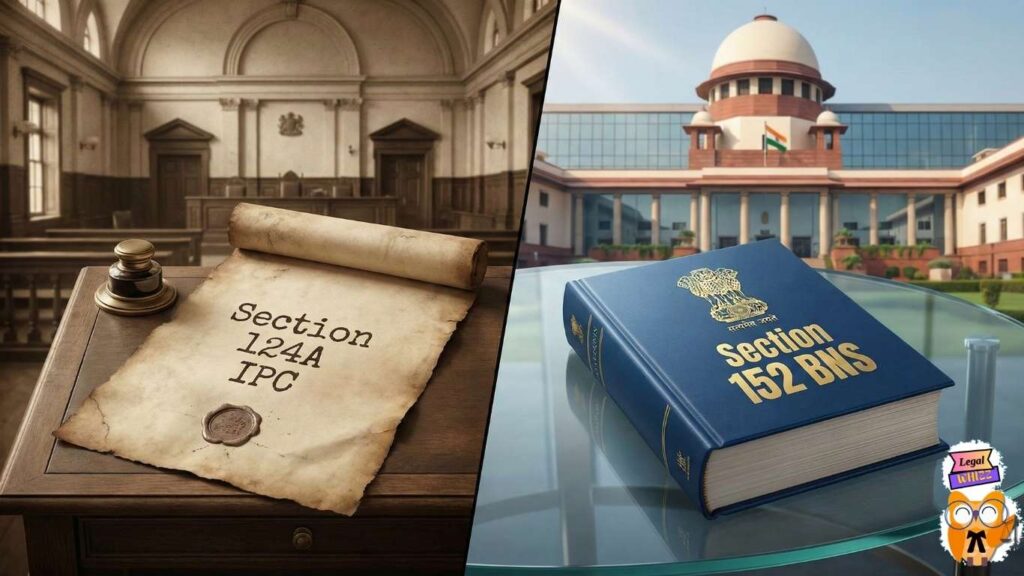
Category: Criminal Law / Constitutional Law Reading Time: 12 Minutes Author: Uttkarsh Bhatt Edited and Reviewed: Editor Legal Whizz Introduction In the history of Indian criminal jurisprudence, few sections have sparked as much debate, controversy, and political friction as Section 124A of the Indian Penal Code…
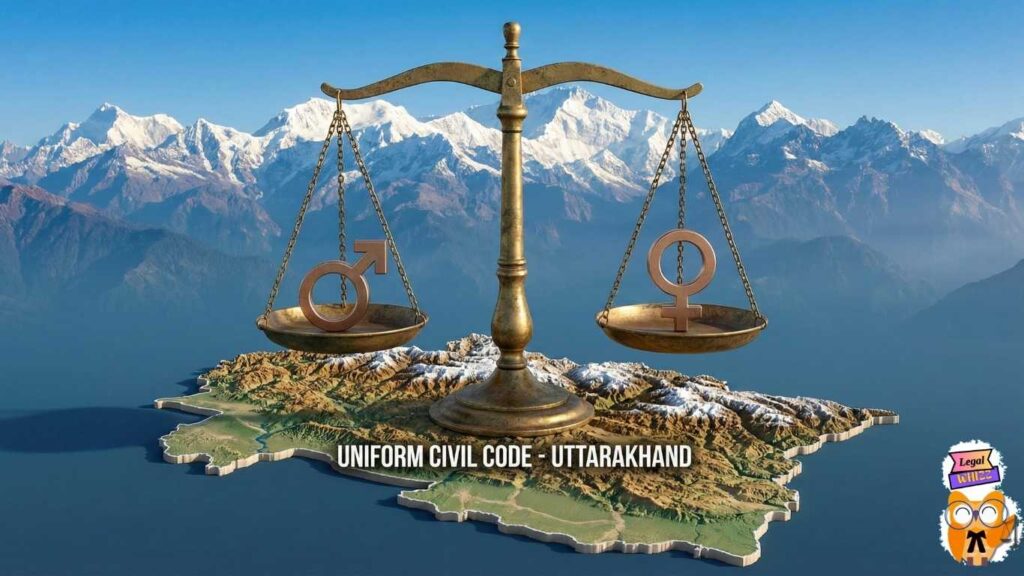
Author: Sanjana Kumari Revised & Edited: Editor Legal Whizz Topic: Constitutional Law / Civil Rights / Gender Justice Reading Time: 12 Minutes Introduction: The “One Nation, One Law” Debate “One Nation, One Law”—a phrase that has resonated through the corridors of the Indian Parliament for decades,…
Author: Ritu Bhartiya Edited & Optimized by: Editor Legal Whizz Topic: Cyber Law, Media Regulations, and Constitutional Rights Reading Time: 12 Minutes Introduction: The Digital Streaming Revolution The 21st century has witnessed a communication revolution arguably more profound than the invention of the printing press. We…
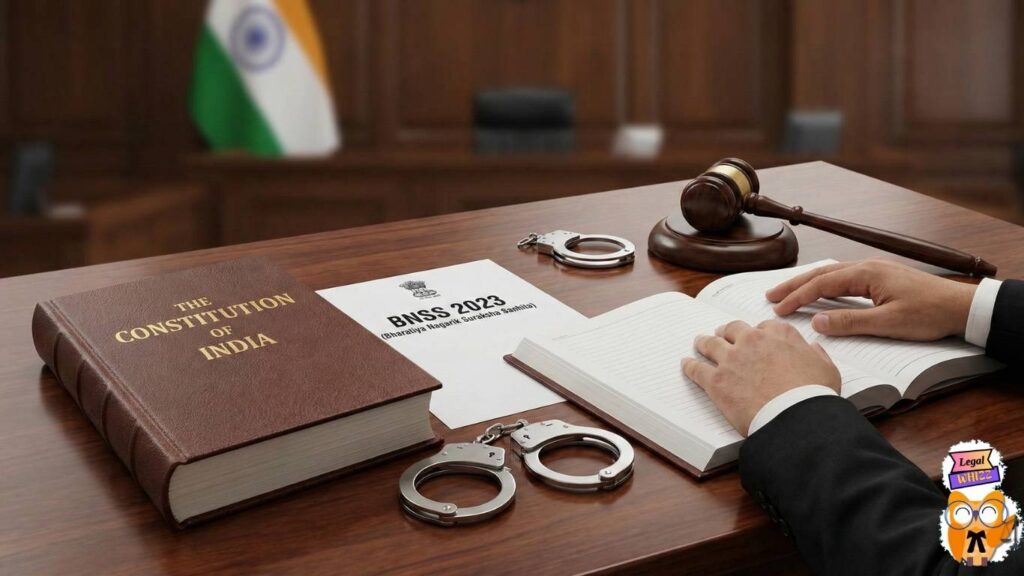
In a democratic society, the power to arrest is a necessary tool for law enforcement, but it is not absolute. The Indian legal system operates on the golden principle of “innocent until proven guilty.” To protect individual liberty against arbitrary state power, both the Constitution of…
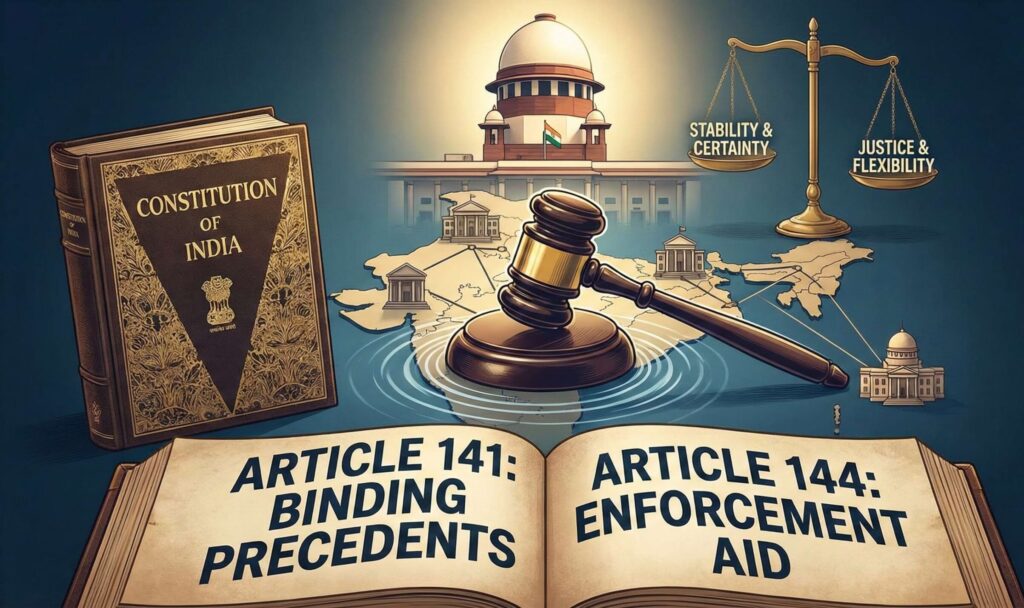
By: Arav Pattjoshi ABSTRACT: The doctrine of stare decisis is one of the foundational principles of the common law system. The doctrine dictates that to ensure judicial stability and consistency, there must be strict adherence to judicial precedents. In India, this doctrine transcends traditional judicial norms…
By: Sweejaa De The roar of young voices is often the signal that deep change is underway. In early September 2025, Nepal saw the explosion of what has been called the Gen-Z Protests. Sparked by widespread frustration over corruption, political nepotism, and severe economic inequality, the…
By: Sameeksha Puthran | Final Year LL.B Student “I measure the progress of a community by the degree of progress which women have achieved.” The Indian Constitution has granted women the same fundamental and constitutional rights as men, including the right to equality, the right against…
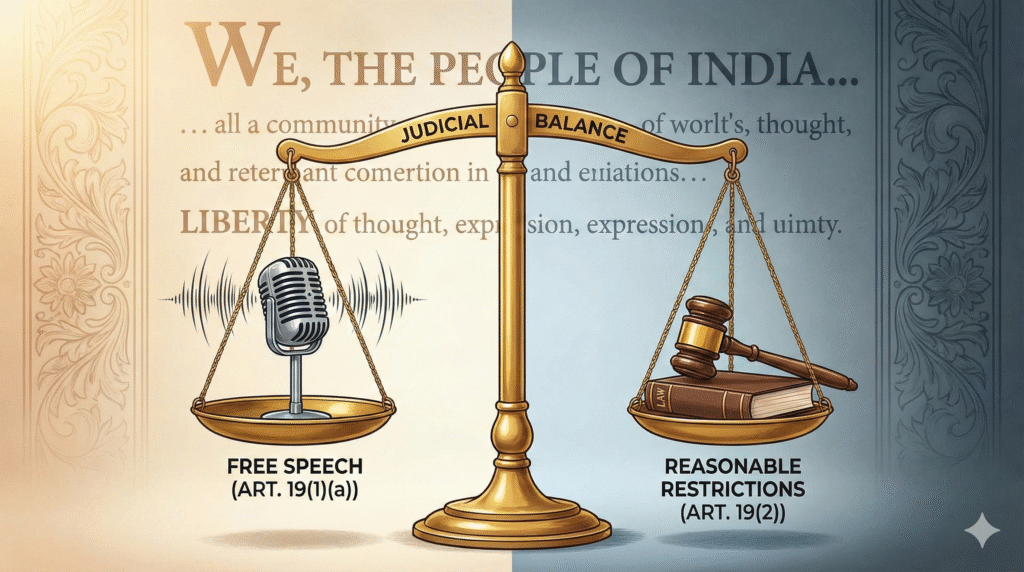
Freedom of speech and expression occupies a sacred space in the Constitution of India. Often described as the heartbeat of democracy, it empowers citizens to speak without fear, question the government, and dissent against the majority. However, this liberty is not unbridled. By: Rudra Pratap Singh…
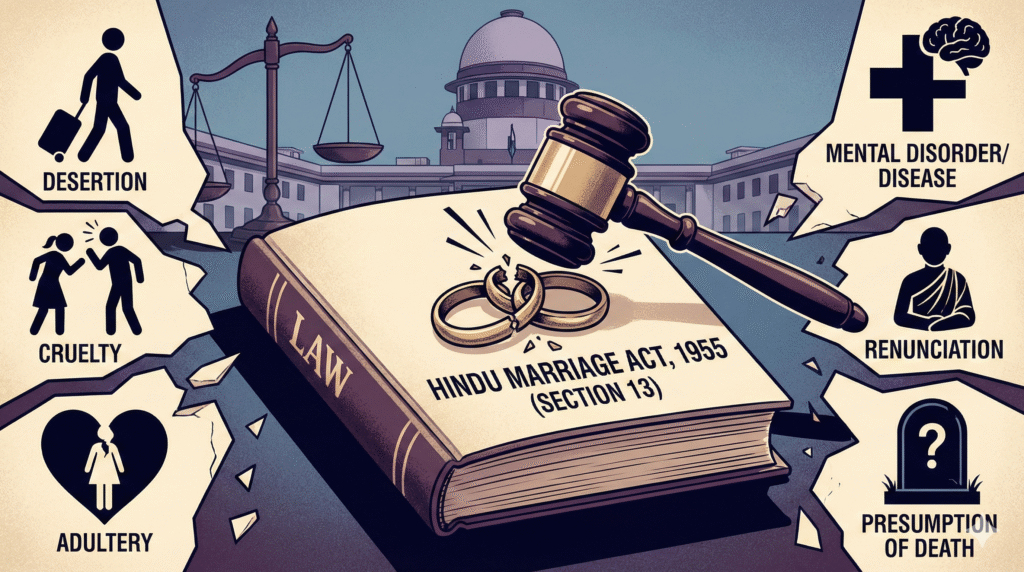
The institution of marriage holds a significant, almost sacramental place in Indian society. However, the enactment of the Hindu Marriage Act, 1955 (HMA) marked a paradigm shift, moving Hindu marriage from an indissoluble union to one that can be legally dissolved under specific circumstances. By: Rajnandini…
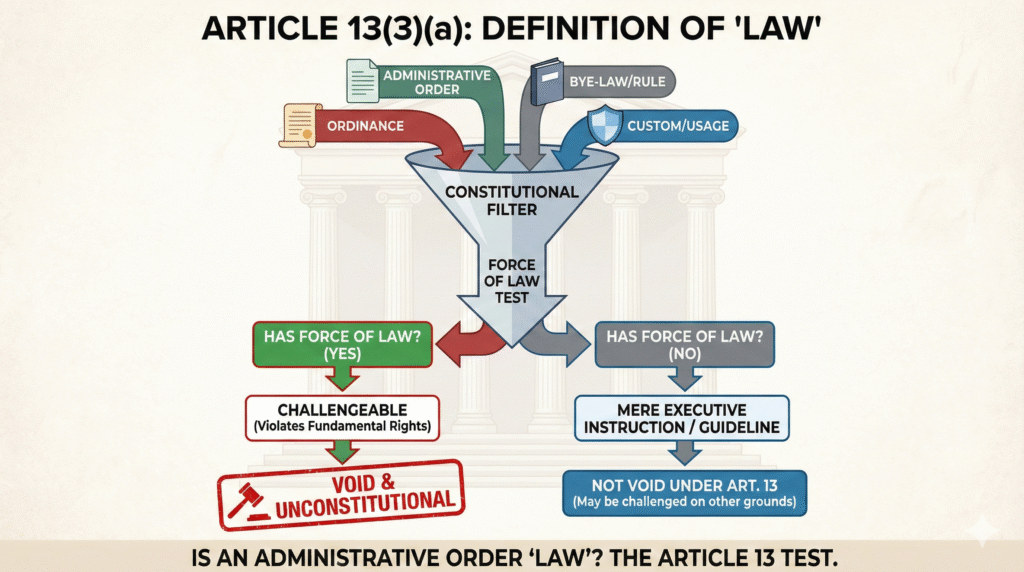
By Pronnati Rajasvi In the realm of Indian Constitutional law, the definition of “Law” is the gateway to justice. If an action by the state does not qualify as “Law,” it cannot be challenged for violating Fundamental Rights under Article 13. A common question that arises…