
Intellectual Property Rights in E-Commerce: Role, Types & WIPO Standards
Intellectual Property Rights in E-Commerce: Role, Types & WIPO Standards Abstract – “Intellectual property rights refer to the property rights which are granted to an author or creator of a new invention or intangible asset. The concept of intellectual property was developed in the 18th century, with the first federal statute on patents being passed […]
From Sedition to Sovereignty: Section 124A IPC vs Section 152 BNS – Is India’s New Law a Repackaged Sedition?
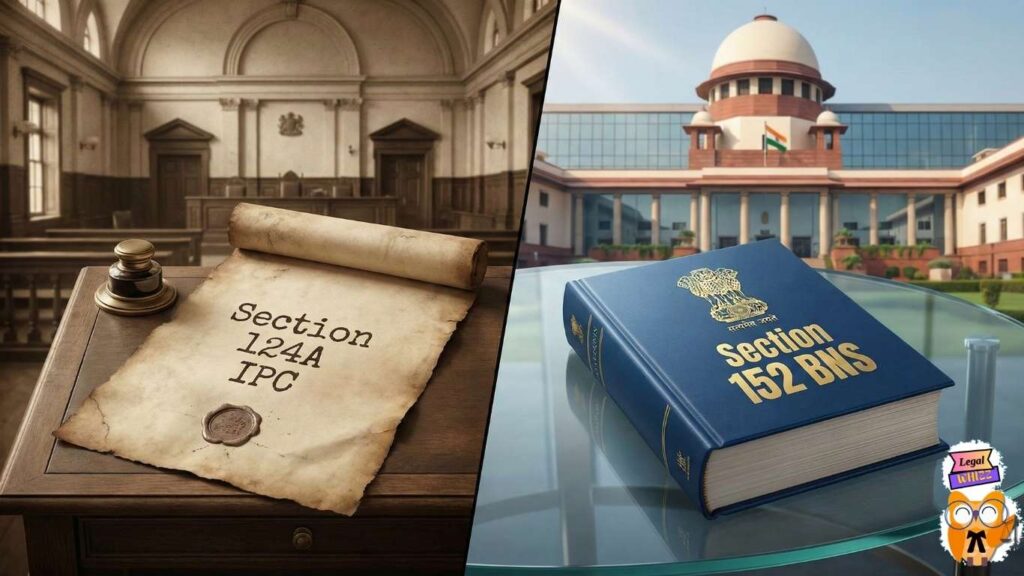
Category: Criminal Law / Constitutional Law Reading Time: 12 Minutes Author: Uttkarsh Bhatt Edited and Reviewed: Editor Legal Whizz Introduction In the history of Indian criminal jurisprudence, few sections have sparked as much debate, controversy, and political friction as Section 124A of the Indian Penal Code (IPC)—the colonial-era law on sedition. For over 150 years, […]
Uttarakhand UCC 2024: A Step Toward Gender Justice or an Intrusion into Personal Liberty?
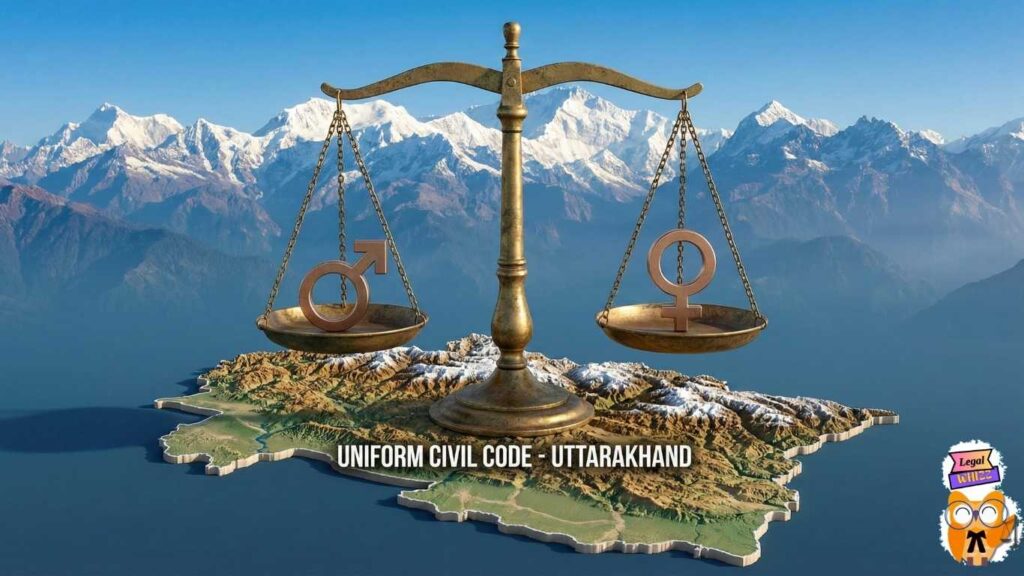
Author: Sanjana Kumari Revised & Edited: Editor Legal Whizz Topic: Constitutional Law / Civil Rights / Gender Justice Reading Time: 12 Minutes Introduction: The “One Nation, One Law” Debate “One Nation, One Law”—a phrase that has resonated through the corridors of the Indian Parliament for decades, has finally found a concrete home in the Himalayan […]
OTT Platforms and Cyber Law: Regulating Content vs. Freedom of Speech in India

Author: Ritu Bhartiya Edited & Optimized by: Editor Legal Whizz Topic: Cyber Law, Media Regulations, and Constitutional Rights Reading Time: 12 Minutes Introduction: The Digital Streaming Revolution The 21st century has witnessed a communication revolution arguably more profound than the invention of the printing press. We have transitioned from the era of state-controlled television and […]
Rights of an Arrested Persons Under BNSS 2023 and the Constitution: A Comprehensive Guide
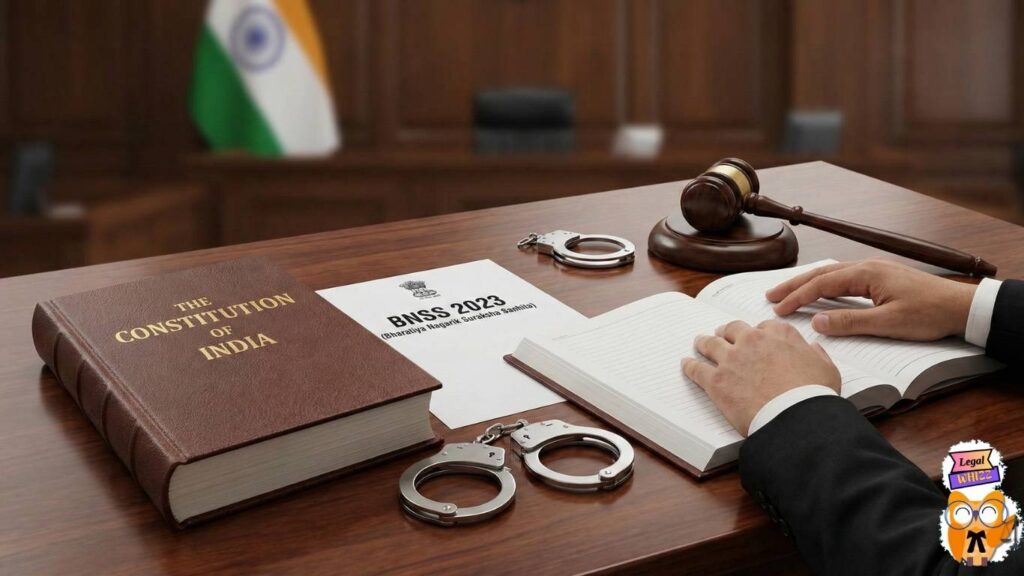
In a democratic society, the power to arrest is a necessary tool for law enforcement, but it is not absolute. The Indian legal system operates on the golden principle of “innocent until proven guilty.” To protect individual liberty against arbitrary state power, both the Constitution of India and the new Bharatiya Nagarik Suraksha Sanhita (BNSS), […]
⚖️ The Battle of Brilliance Returns! Legal Whizz Announces Its 3rd Constitutional Law Quiz
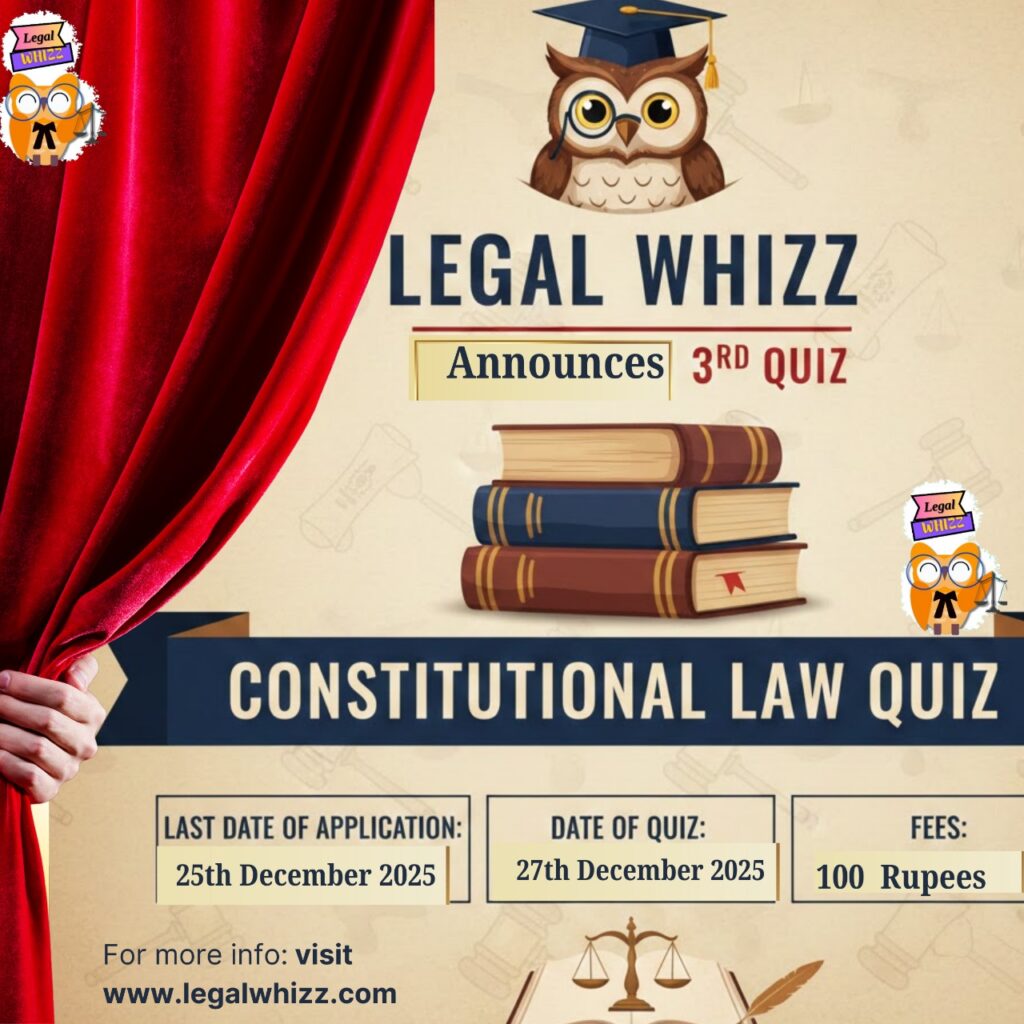
Are you ready to test your constitutional mettle? Do you know your Fundamental Rights from your Directive Principles? Can you navigate landmark judgments and recent amendments with ease? Legal Whizz is thrilled to announce the return of our flagship competition. We are calling upon law students, judiciary aspirants, and sharp legal enthusiasts across India to […]
CONSTITUIONAL SANCITY OF PRECEDENTS: ARTICLE 141&144 EXPLAINED
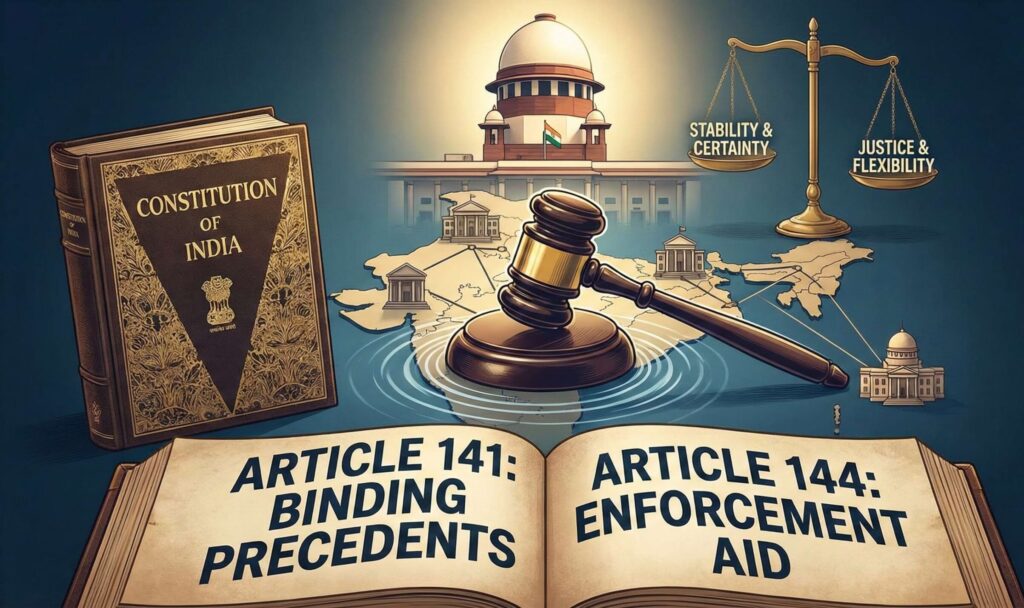
By: Arav Pattjoshi ABSTRACT: The doctrine of stare decisis is one of the foundational principles of the common law system. The doctrine dictates that to ensure judicial stability and consistency, there must be strict adherence to judicial precedents. In India, this doctrine transcends traditional judicial norms found in English common law and finds a specific […]
Digital Censorship and the Gen-Z Protests in Nepal: Legal Boundaries of Expression and State Response
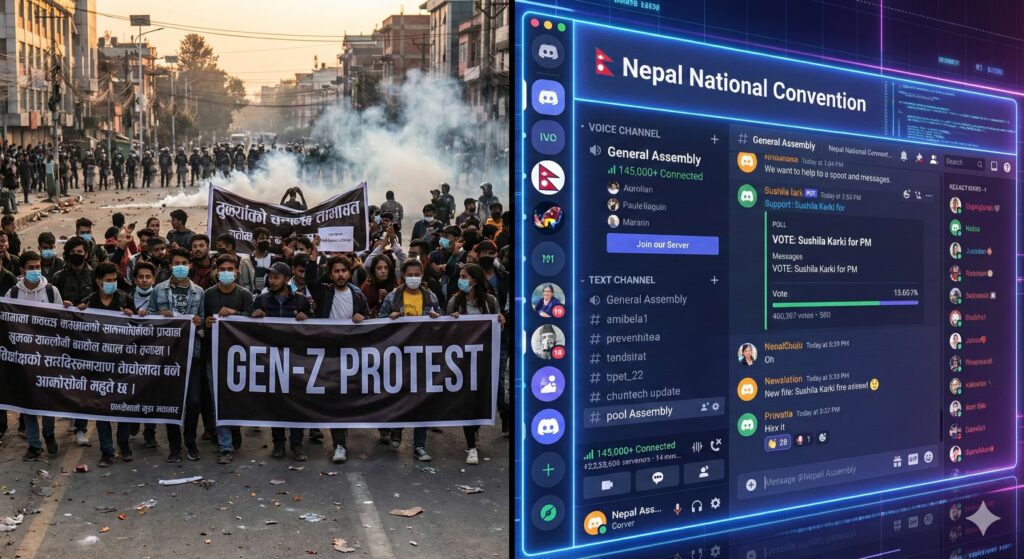
By: Sweejaa De The roar of young voices is often the signal that deep change is underway. In early September 2025, Nepal saw the explosion of what has been called the Gen-Z Protests. Sparked by widespread frustration over corruption, political nepotism, and severe economic inequality, the protests were triggered by a decision of the government […]
Freedom of Religion & Gender Equality: Myth or Reality? [Legal Analysis]
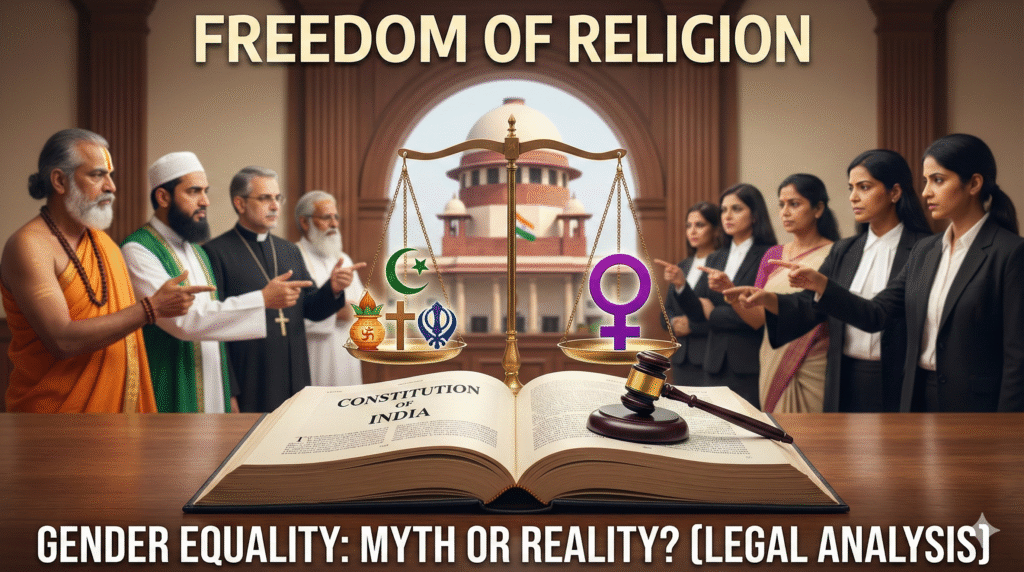
By: Sameeksha Puthran | Final Year LL.B Student “I measure the progress of a community by the degree of progress which women have achieved.” The Indian Constitution has granted women the same fundamental and constitutional rights as men, including the right to equality, the right against discrimination, the right to worship, and many others. On […]
Hate Speech vs. Free Speech: Judicial Approach to Article 19
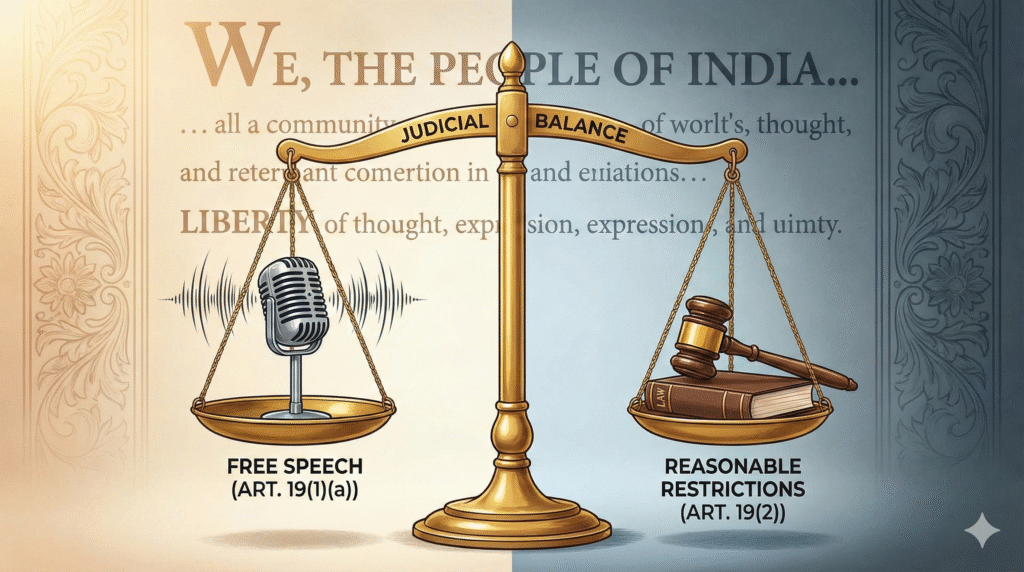
Freedom of speech and expression occupies a sacred space in the Constitution of India. Often described as the heartbeat of democracy, it empowers citizens to speak without fear, question the government, and dissent against the majority. However, this liberty is not unbridled. By: Rudra Pratap Singh The framers of the Indian Constitution, having witnessed the […]