
Author: Ritu Bhartiya
Edited & Optimized by: Editor Legal Whizz
Topic: Cyber Law, Media Regulations, and Constitutional Rights
Reading Time: 12 Minutes
Introduction: The Digital Streaming Revolution
The 21st century has witnessed a communication revolution arguably more profound than the invention of the printing press. We have transitioned from the era of state-controlled television and appointment viewing to an era of “anytime, anywhere” content consumption. At the epicenter of this seismic shift are Over-the-Top (OTT) platforms.
Services like Netflix, Amazon Prime Video, Disney+ Hotstar, and regional giants like Hoichoi and Aha have fundamentally altered the Indian entertainment landscape. Unlike traditional cinema, which requires physical distribution, or television, which relies on satellite licensing, OTT platforms utilize the open internet to deliver audio-visual content directly to the consumer.
However, this technological liberation has birthed a complex legal and constitutional conundrum. On one side lies the freedom of speech and expression guaranteed under Article 19(1)(a) of the Constitution—the bedrock of creative liberty. On the other stands the state’s obligation to maintain public order, decency, and national security.
As we move through 2025, the debate is no longer just about a few controversial web series; it is about the future of OTT platforms and cyber law. How does a diverse democracy like India balance the democratized creativity of the digital age with the rigid structures of censorship and regulation?
This article provides an in-depth analysis of the legal framework, judicial precedents, and the evolving tug-of-war between digital liberty and state control in India.
The Exponential Rise of OTT Platforms in India
India is currently one of the world’s most dynamic markets for digital streaming. According to reports by Boston Consulting Group (BCG) and Deloitte India, the Indian OTT sector is projected to reach a valuation of $15–20 billion by 2030.
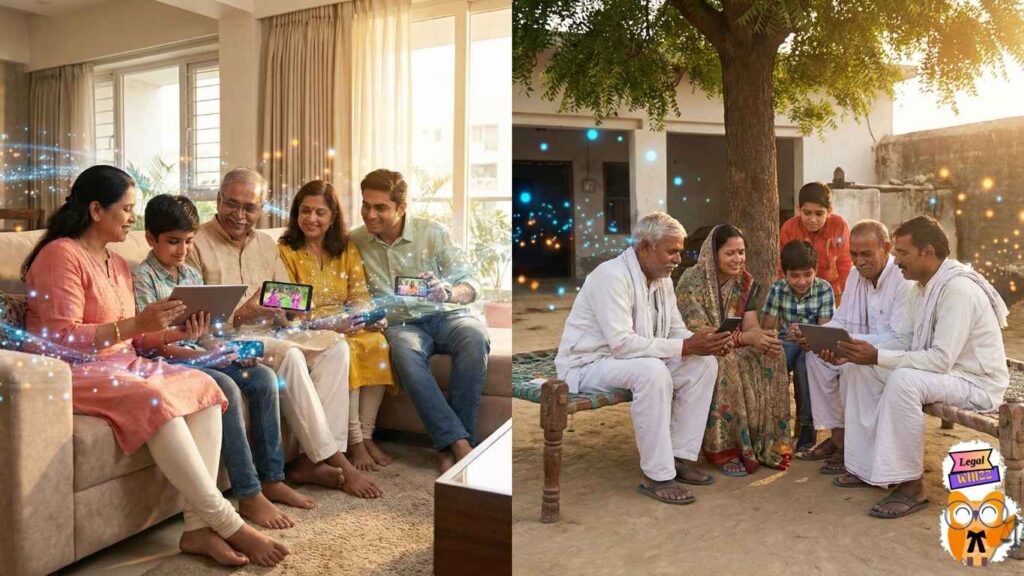
This explosive growth is driven by a convergence of structural and behavioral factors:
- The Jio Effect & Data Pricing: India boasts some of the lowest mobile data rates globally (often under ₹10 per GB). This affordability has democratized access to high-bandwidth streaming.
- Smartphone Penetration: With over 750 million smartphone users, the primary screen for entertainment has shifted from the television set in the living room to the mobile device in the palm.
- The COVID-19 Catalyst: The lockdowns of 2020-21 forced a behavioral reset. With cinemas closed, major films like Gulabo Sitabo and Shershaah bypassed theatrical releases, legitimizing OTT as a primary release window.
- Regional Renaissance: The “one size fits all” approach of Hindi/English content has been disrupted. Platforms like Aha (Telugu), Hoichoi (Bengali), and Chaupal (Punjabi) cater to specific linguistic demographics, deepening market penetration in Tier-2 and Tier-3 cities.
Key Statistic: Young India demands “binge-worthy,” uncut narratives that mainstream television, bound by strict censorship, cannot provide. This demographic shift is the engine of the OTT economy.
The Constitutional and Legal Framework
To understand the regulation of OTT platforms and cyber law, we must look at the interplay between the Constitution of India and statutory legislations like the Information Technology Act.
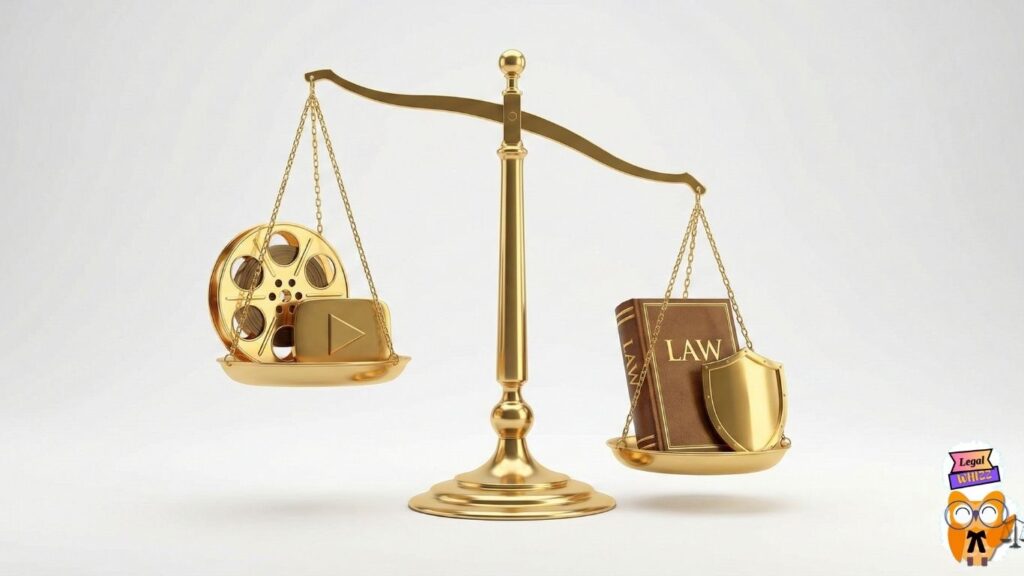
1. The Constitutional Balance: Article 19
The primary defense for OTT content is Article 19(1)(a), which guarantees freedom of speech and expression. However, this right is not absolute. Article 19(2) allows the state to impose “reasonable restrictions” in the interests of:
- Sovereignty and integrity of India
- Security of the State
- Friendly relations with foreign states
- Public order, decency, or morality
- Contempt of court, defamation, or incitement to an offense
Have you read: Digital Censorship and the Gen-Z Protests in Nepal: Legal Boundaries of Expression and State Response
2. The Information Technology Act, 2000
Before specific OTT rules were framed, digital content fell loosely under the IT Act.
- Section 67: Penalizes the transmission of obscene material.
- Section 69A: Empowers the government to block public access to any information online if it threatens national security or public order. This power was upheld by the Supreme Court in Shreya Singhal v. Union of India (2015), albeit with a caveat for procedural transparency.
3. The IT Rules, 2021: A Paradigm Shift
In February 2021, the government notified the Information Technology (Intermediary Guidelines and Digital Media Ethics Code) Rules, 2021. This was a watershed moment for OTT regulation in India.
The Rules introduced a three-tier grievance redressal mechanism:
- Level I (Self-Regulation): The OTT platform itself must appoint a Grievance Redressal Officer based in India to address complaints within 15 days.
- Level II (Self-Regulatory Body): An independent body headed by a retired judge or eminent person, registered with the Ministry of Information and Broadcasting (MIB), oversees the platforms.
- Level III (Oversight Mechanism): An Inter-Departmental Committee of the Central Government hears appeals and has the power to issue blocking orders.
Additionally, the rules mandate age-based content classification (U, U/A 7+, U/A 13+, U/A 16+, and A) and require reliable parental lock mechanisms.
4. The Draft Broadcasting Services (Regulation) Bill
Looking ahead to 2025, the regulatory landscape is set to tighten further with the proposed Broadcasting Services (Regulation) Bill. This bill aims to bring OTT platforms under a unified regulatory umbrella similar to traditional broadcasters, potentially introducing Content Evaluation Committees (CECs) that could act as pre-screening bodies—a move critics fear is “censorship by proxy.”
Judicial Approach: The Courts as Custodians of Liberty
The Indian judiciary has often acted as the bulwark against excessive state overreach, though recent trends show a cautious approach.
Landmark Precedents and Observations
- Romesh Thappar v. State of Madras (1950): The Supreme Court established early on that freedom of speech is the foundation of democracy, and restrictions must be justified by immediate threats, not speculative ones.
- K.A. Abbas v. Union of India (1970): While upholding pre-censorship for cinema due to its “emotional impact,” the distinction between cinema (public viewing) and OTT (private viewing) remains a key legal argument today.
- Aveek Sarkar v. State of West Bengal (2014): The Apex Court modernized the “obscenity test,” ruling that community standards evolve. Nudity is not always obscenity; the content must be judged as a whole, not in isolated clips.
The OTT Litigations
- Justice for Rights Foundation v. UOI (2018): The Delhi High Court famously rejected a plea for pre-censorship of OTT content, stating that the IT Act provided sufficient remedies.
- The Tandav Controversy (2021): Following multiple FIRs against the makers of Tandav for hurting religious sentiments, the Supreme Court refused to grant interim protection from arrest initially, highlighting that “freedom of speech is not absolute.” This marked a chilling moment for creators, leading to cuts in the show.
The judiciary’s stance is evolving. While courts protect creators from frivolous FIRs, they also acknowledge the state’s power to regulate content that poses a genuine threat to public order.
The Great Debate: Regulation vs. Freedom
The discourse on OTT platforms and cyber law is polarized. Here is a breakdown of the competing arguments.
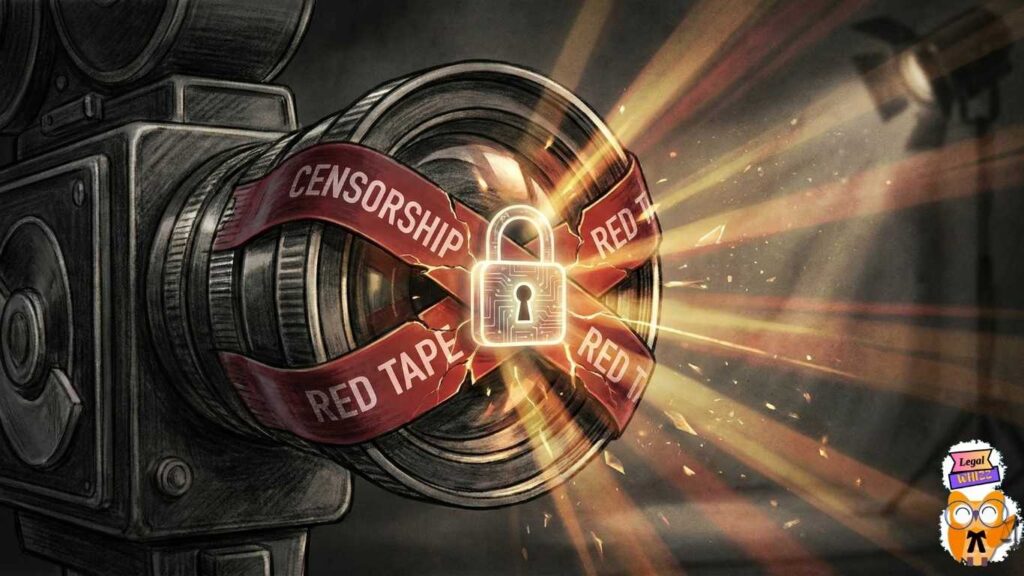
Arguments Favoring Regulation
- Cultural Protection: Proponents argue that unchecked nudity, strong language, and violence degrade Indian cultural values and influence impressionable minds.
- National Security: The unregulated internet can be a vector for propaganda, fake news, and anti-national narratives.
- Level Playing Field: Traditional cinema (subject to CBFC) and TV (subject to the Cable TV Act) are heavily regulated. Why should OTT platforms enjoy an unfair advantage?
- Grievance Redressal: Without a legal framework, citizens have no recourse if content defames them or incites violence against their community.
Arguments Against Excessive Regulation
- Chilling Effect on Creativity: Fear of FIRs and non-bailable warrants forces creators to self-censor. Complex narratives about politics, caste, and religion are shelved in favor of “safe” content.
- Subjectivity of “Offense”: Morality is subjective. What is offensive to one group may be artistic to another. Laws based on “hurting sentiments” are often weaponized for political gain.
- The “Nanny State” Syndrome: Critics argue that adult citizens should have the autonomy to decide what they watch. Parental locks and age ratings are sufficient; state censorship is paternalistic.
- Technical Loopholes: In the age of VPNs and torrents, banning content is technically futile and only drives traffic to piracy sites.
Global Perspectives: How the World Regulates OTT
India’s regulatory model is often compared to global standards. Here is how other jurisdictions handle the issue:
| Region | Regulatory Approach | Key Features |
|---|---|---|
| United States | Minimal / Self-Regulation | Protected by the First Amendment. FCC does not regulate streaming. Market forces and parental controls dominate. |
| European Union | Harmonized Regulation | Audiovisual Media Services Directive (AVMSD). Focuses on protecting minors and preventing hate speech, but avoids direct censorship. |
| United Kingdom | Hybrid Model | Ofcom regulates, but with a light touch. Strong emphasis on age ratings and child protection rather than content banning. |
| Singapore | Strict Regulation | IMDA classifies content. R21 (Restricted to 21+) content is allowed but heavily monitored. State can order takedowns. |
| China | State Control | Strict censorship aligned with political ideology. Foreign platforms are largely banned or heavily restricted. |
Analysis: India’s IT Rules 2021 move the country closer to the Singaporean model—a mix of classification and state oversight—rather than the US model of pure self-regulation.
Current Challenges in Enforcement
Even with the IT Rules 2021, regulating OTT platforms is fraught with challenges:
- Jurisdictional Grey Areas: Many OTT platforms are headquartered abroad. Enforcing Indian laws on foreign entities often leads to diplomatic and legal standoffs.
- The “Heckler’s Veto”: The rise of organized outrage mobs means that any content can be labeled “offensive.” Platforms often capitulate to these mobs to avoid bad PR, bypassing the legal process entirely.
- Volume of Content: Thousands of hours of video are uploaded daily. Pre-censorship (like the CBFC does for movies) is logistically impossible for OTT.
- Ambiguity in Law: Terms like “decency” and “morality” are not strictly defined in the IT Rules, leaving immense discretion to the executive branch.
The Way Forward: A Balanced Digital Future
As we look toward the future of cyber law in India, a “Co-Regulatory Model” seems to be the only viable path. Here are actionable suggestions for policymakers and stakeholders:
- Codify Self-Regulation: Strengthen the self-regulatory bodies (Level II) so that disputes are resolved by industry experts and retired judges, minimizing government intervention.
- Judicial Oversight for Blocking: Any order to block content under Section 69A should be subject to mandatory judicial review to prevent political misuse.
- Define “Harm” Strictly: The law must distinguish between content that causes actual harm (e.g., inciting riots, child exploitation) and content that merely causing offense (e.g., satire, political critique).
- Digital Literacy: Instead of banning content, the state should focus on digital literacy, empowering parents to use age-gating tools effectively.
- Decriminalize Creative Offenses: Laws like Section 295A (hurting religious sentiments) need safeguards to prevent their misuse against artists. Arrest should be the exception, not the norm.
Conclusion
OTT platforms have emerged as the new digital public sphere. They have given voice to the marginalized, brought global cinema to rural India, and challenged social taboos. However, with great reach comes great responsibility.
The current legal framework in India faces a critical test. If regulation becomes a tool for suppression, India risks losing its soft power status as a global content hub. Conversely, a complete lack of regulation risks social friction.
The objective of cyber law regarding OTT platforms should not be to sanitize art but to classify it responsibly. As India navigates this digital transformation, the judiciary, the government, and civil society must work together to ensure that the internet remains a space for vibrant, diverse, and free expression.
Key Takeaways
- Growth: The Indian OTT market is expected to reach $15-20 billion by 2030.
- Law: OTT content is regulated under the IT Rules, 2021, which mandate a three-tier grievance redressal mechanism.
- Rights: While Article 19(1)(a) protects free speech, Article 19(2) allows for reasonable restrictions based on public order and morality.
- Global Context: India’s regulations are stricter than the US but less restrictive than China, aiming for a middle ground similar to Singapore or the UK.
- Future: The proposed Broadcasting Services (Regulation) Bill may introduce stricter compliance and potential pre-screening committees.
Frequently Asked Questions (FAQs)
Q1: Are OTT platforms censored in India? Technically, there is no “pre-censorship” like the Censor Board (CBFC) does for films. However, under the IT Rules 2021, platforms must self-classify content by age. The government can order content takedowns if it violates national security or public order.
Q2: Can I file a complaint against offensive OTT content? Yes. Under the IT Rules 2021, you can first complain to the platform’s Grievance Officer. If unsatisfied, you can escalate it to the self-regulatory body, and finally to the Inter-Departmental Committee of the government.
Q3: What laws govern OTT platforms in India? OTT platforms are governed by the Information Technology Act, 2000 and specifically the IT (Intermediary Guidelines and Digital Media Ethics Code) Rules, 2021.
Q4: Is the “Right to Watch” a fundamental right? While not explicitly stated, the Supreme Court has interpreted the Right to Privacy (Article 21) and Freedom of Expression (Article 19) to include the right of adults to consume content of their choice in private, subject to reasonable restrictions.
Found this analysis helpful? Share it with your network and join the conversation on digital freedom in India.
One Response